
Men's Fitness Nutrition Basics
Master the fundamental principles of sports nutrition and discover how proper fueling transforms athletic performance and body composition. From macronutrient timing to meal planning strategies, learn everything you need to optimize your nutrition for real results.
The information on this site is for educational purposes only and does not constitute medical advice. Always consult a qualified healthcare professional before making health decisions.
The 4-Step Nutrition Framework
A structured approach to build sustainable eating habits and maximize athletic potential
Assess Your Baseline
Evaluate your current eating patterns, activity level, and body composition. Understanding your starting point helps establish realistic goals and track meaningful progress over time.
Calculate Macronutrient Needs
Determine your daily calorie requirements and optimal protein, carbohydrate, and fat ratios based on your training intensity and goals. Personalization is key to sustainable nutrition.
Plan Your Meals Strategically
Structure your daily meals around training schedules and recovery windows. Strategic meal timing enhances nutrient absorption and supports consistent energy levels throughout your day.
Monitor and Adjust
Track your progress weekly and refine your nutrition strategy based on performance data and body composition changes. Continuous improvement drives long-term success.
Why Nutrition Matters More Than You Think
Most athletes underestimate the power of proper nutrition. While training builds strength, it's your nutrition strategy that determines how effectively your body recovers and adapts. Without deliberate fueling choices, you leave significant performance gains on the table.
Muscle Recovery and Growth
Adequate protein intake and strategic carbohydrate timing directly support muscle protein synthesis and glycogen replenishment after intense training sessions.
Sustained Energy Levels
Balanced macronutrient distribution maintains stable blood sugar, preventing energy crashes that compromise workout quality and overall productivity.
Body Composition Control
Strategic calorie management combined with high protein intake preserves lean muscle while supporting lean mass gains—the foundation of impressive physiques.
Essential Macronutrients Breakdown
Understanding protein, carbohydrates, and fats—and how each fuels your fitness goals
Protein
The building block of muscle tissue. Aim for 0.8–1.0 grams per pound of bodyweight daily to support muscle protein synthesis and repair damaged fibers from training.
Carbohydrates
Your primary fuel source for intense training. Time carbs around your workouts to maximize performance and recovery. Aim for 3–6 grams per pound of bodyweight based on training volume.
Fats
Essential for hormone production and nutrient absorption. Don't fear dietary fat—include 0.3–0.5 grams per pound daily from quality sources for optimal health and performance.

Master Meal Timing for Maximum Performance
When you eat matters almost as much as what you eat. Strategic meal timing around your training sessions dramatically improves performance, recovery, and adaptation. Proper fueling windows maximize nutrient delivery exactly when your muscles need it most.
Pre-Workout Meal (2-3 hours before)
Consume balanced carbohydrates and moderate protein to fuel your workout and prevent muscle breakdown. Include easily digestible carbs like rice, oats, or fruit with lean protein.
Post-Workout Window (30-60 minutes after)
This critical recovery window demands fast-digesting carbs and protein to replenish glycogen and initiate muscle protein synthesis. A simple shake or meal significantly accelerates recovery.
Daily Meal Distribution
Space protein intake evenly across 4-5 meals throughout the day rather than concentrating it in one or two meals. This approach optimizes muscle protein synthesis across a 24-hour period.
Hydration and Micronutrient Essentials
Often overlooked factors that significantly impact athletic performance and recovery
Hydration Strategy
Even 2% dehydration impairs cognitive function and athletic performance. Drink consistently throughout the day, not just during workouts. A simple rule: aim for pale urine color, indicating adequate hydration.
- Daily baseline: Minimum half your bodyweight in ounces (e.g., 180-pound person needs 90+ ounces)
- During training: 7-10 ounces every 10-20 minutes for workouts over 60 minutes
- With electrolytes: Include sodium during intense sessions to improve absorption
Micronutrient Foundation
Vitamins and minerals support energy production, immune function, and recovery. While whole foods provide most micronutrients, strategic supplementation fills potential gaps in your diet.
- Magnesium: Supports muscle function and sleep quality, critical for recovery
- Zinc: Essential for immune function and testosterone production
- Vitamin D: Regulates mood, immune function, and mineral absorption
Pro tip: Focus on whole food sources first—a varied diet of quality proteins, whole grains, fruits, and vegetables covers most micronutrient needs. Supplement strategically only where gaps exist based on your actual diet composition.
Common Nutrition Questions Answered
Expert insights on the topics athletes ask about most
How many grams of protein do I actually need daily?
Research supports 0.7–1.0 grams per pound of bodyweight for athletes engaged in strength training. This range maximizes muscle protein synthesis while remaining realistic for most eating patterns. A 180-pound athlete should target 125–180 grams daily, distributed across 4-5 meals for optimal absorption.
Should I count calories or focus on macros?
Both matter, but macros within a calorie target is the practical approach. Total energy intake determines body composition changes, while macro distribution influences performance and muscle preservation. Start by establishing your calorie baseline, then adjust macros to support your training and goals.
Are supplements necessary, or can whole foods do it all?
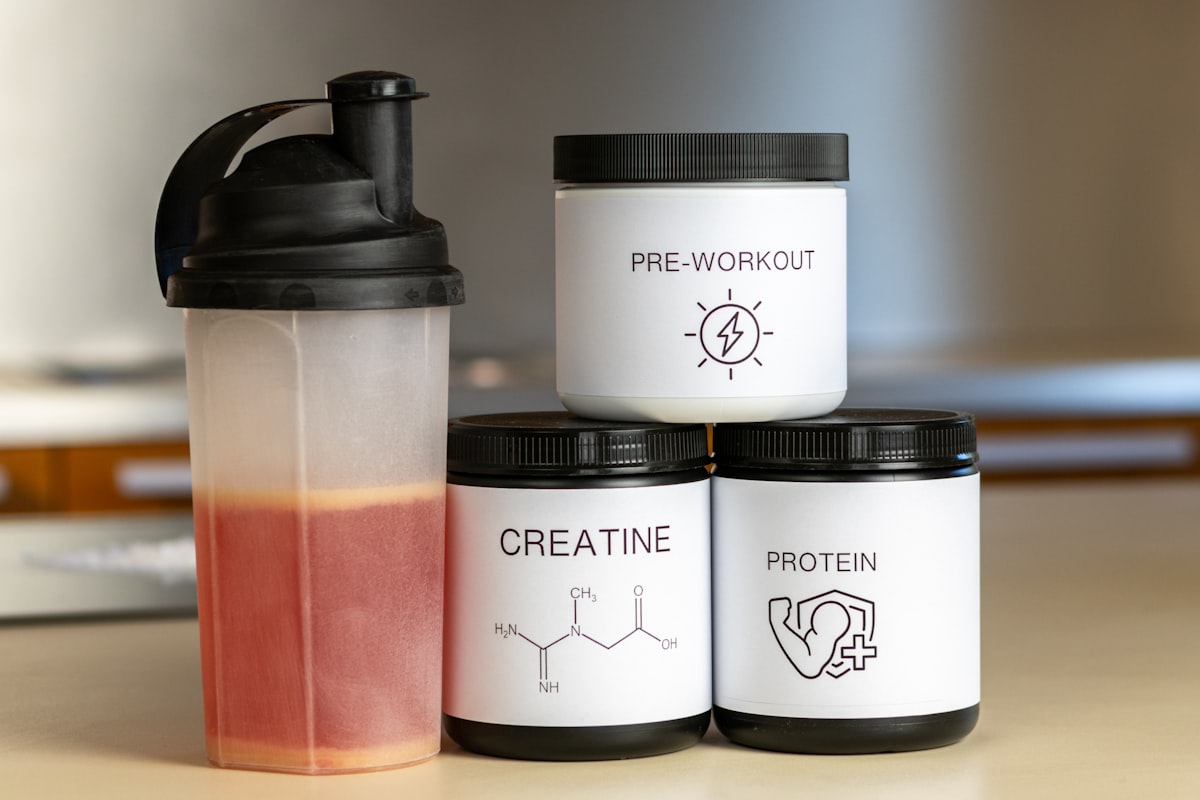
Whole foods should form your nutritional foundation—they're cheaper and more nutrient-dense. However, supplements fill practical gaps: protein powder after workouts when whole meals aren't available, creatine for strength gains, and omega-3 supplementation if fish intake is low. Use supplements strategically, not as substitutes.
How do I adjust nutrition on rest days versus training days?
Calorie and carbohydrate needs decrease on rest days since glycogen depletion is minimal. Maintain high protein intake (to support recovery) and increase healthy fats for hormone production. Reduce carbs proportionally to your reduced energy expenditure—typically 1.5–2 grams per pound on rest days versus 3–4 grams on intense training days.
What's the best pre-workout meal timing and composition?
Consume a meal containing 30-40 grams of carbs and 15-25 grams of protein 2-3 hours before training. This timing allows full digestion, preventing stomach discomfort while ensuring stable energy. If training sooner, choose liquid nutrition like a shake. Individual tolerance varies—experiment to find what fuels your best performance.
Can I build muscle while in a calorie deficit?
Yes, but with limitations—muscle gain occurs most efficiently in a calorie surplus. In a modest deficit (300-500 calories below maintenance) with high protein intake and progressive resistance training, beginners and returning athletes can gain muscle while losing fat. Advanced lifters in significant deficits will experience slower muscle gains and should accept body recomposition as the realistic outcome.
Real Results from Real Athletes
How applying these nutrition principles transformed training outcomes and body composition
I was training hard but not eating strategically. Once I implemented proper macro ratios and meal timing around my workouts, my strength gains accelerated dramatically. Within 8 weeks, I added 25 pounds to my bench press while actually losing body fat. The nutrition framework from Dietwellexpert made everything click.
Marcus Chen
Jakarta, Indonesia
As a busy professional, I struggled with consistency until I adopted simple meal prep strategies. Understanding my actual calorie and macro needs took the guesswork out of eating. Now I'm more muscular, more confident, and I don't obsess over every meal—just follow the principles and let results speak for themselves.
Rian Widodo
Bandung, Indonesia
Stay Updated with Nutrition Insights
Get our latest articles on fitness nutrition, training strategies, and evidence-based performance optimization delivered to your inbox.
We respect your privacy. Unsubscribe anytime. No spam, ever.
Nutrition Planning Resources
Tools and frameworks to apply these principles to your training
Meal Planning Template
Download our comprehensive meal planning template to structure your daily nutrition intake for optimal athletic performance.
Download TemplateMacro Calculator
Calculate your personalized macronutrient targets based on your training goals, body composition, and activity level.
Calculate NowRecipe Collection
Access 100+ athlete-approved recipes optimized for muscle growth, recovery, and energy levels.
Browse RecipesWhat Athletes Say About Us
Real results from real people following our evidence-based nutrition strategies
James Mitchell
Competitive Cyclist
"The personalized nutrition plan transformed my endurance performance. I've improved my FTP by 12% in just 8 weeks. Highly recommend Dietwellexpert!"
Sarah Chen
Strength & Conditioning Athlete
"Finally, a nutrition program designed by experts who understand athletics. The meal timing strategies have dramatically improved my recovery between sessions."
Marcus Rodriguez
Distance Runner
"The hydration and carbohydrate protocols gave me the edge I needed to break my 5K personal record. Dietwellexpert delivered results!"
Frequently Asked Questions
Get answers to common questions about athletic nutrition
Monitor key performance indicators including energy levels during training, recovery speed, body composition changes, and performance metrics specific to your sport. Most athletes see measurable improvements within 3-4 weeks of following an optimized nutrition plan.
Absolutely. Whether you're vegan, gluten-free, or have other dietary requirements, our nutrition experts design customized plans that work within your constraints while optimizing athletic performance. We believe nutrition should be both effective and sustainable.
Maintenance nutrition focuses on sustaining your current health and fitness level. Performance nutrition is strategically optimized to enhance specific athletic goals like increased strength, endurance, or speed. It involves precise timing, macronutrient ratios, and micronutrient optimization.
We recommend reviewing and adjusting your plan every 4-6 weeks based on your progress, performance data, and changing training demands. Regular assessments ensure your nutrition stays aligned with your evolving goals and body composition.
While whole foods should form the foundation of your nutrition, targeted supplements can address specific gaps and enhance performance. We recommend supplements based on scientific evidence and your individual needs, never as a replacement for proper nutrition.